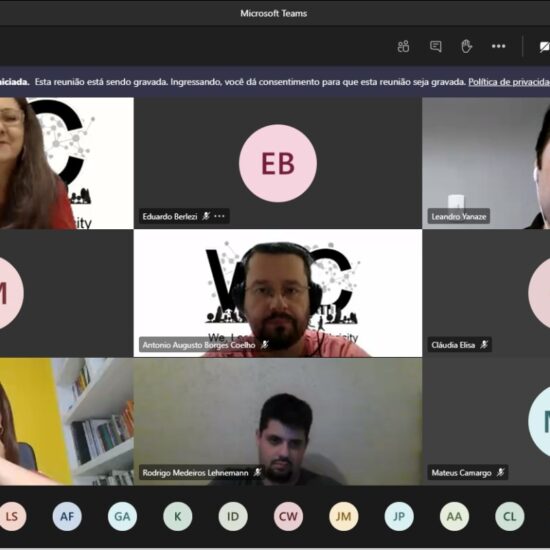
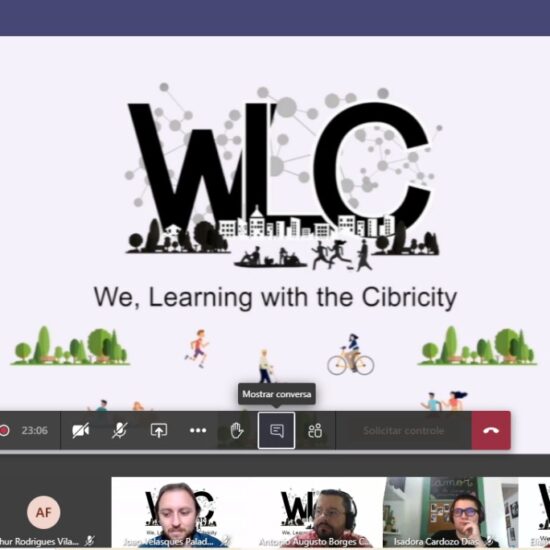
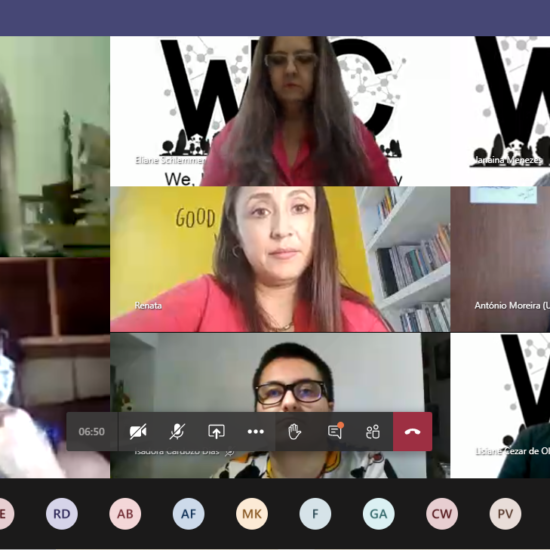
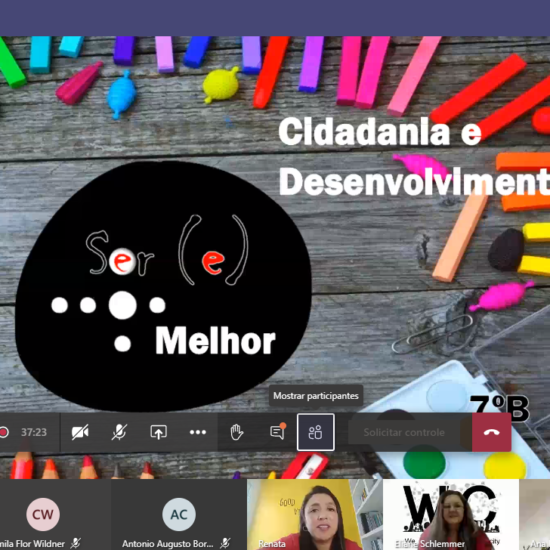
O evento We, Learning with the Cibricity – WLC2020, em sua quinta edição, objetivou analisar, discutir e teorizar sobre as aprendizagens dos estudantes, as metodologias e as práticas pedagógicas desenvolvidas no contexto da Cibricidade, bem como as aprendizagens de pesquisadores e professores no contexto de hibridismo e multimodalidade. Por cibricidade compreende-se essa cidade híbrida que de uma geografia física se conecta e se amplia para outras geografias digitais, informacionais e conectivas.
Esse evento foi organizado por uma equipe que envolveu representantes das escolas de Educação Básica (estudantes e professores) e integrantes do Grupo Internacional de Pesquisa: Educação Digital GPe-dU – UNISINOS/CNPq e do Grupo de Pesquisa COTEDIC UNILASALLE/CNPq, constituindo um espaço profícuo de troca e compartilhamento de aprendizagens na perspectiva das Human Smart Cities e da Ciência Cidadã.
O público-alvo foi composto por Estudantes da Educação Básica das redes de ensino público e privado; Professores e gestores, estudantes da graduação (licenciaturas); estudantes e pesquisadores de pós-graduação em Educação e demais interessados na temática do evento.
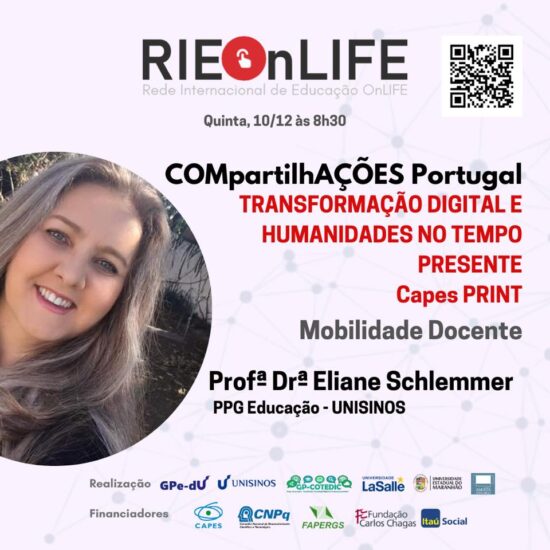
No âmbito do WLC2020 foi realizado o primeiro RIEOnLIFE (RIEOnLIFE2020), com o objetivo de discutir o habitar do ensinar e do aprender num mundo hiperconectado, a partir de problematizações do tempo presente, a fim de que possamos nos potencializar enquanto rede, na configuração de ecossistemas conectivos de inovação para a Educação OnLIFE.
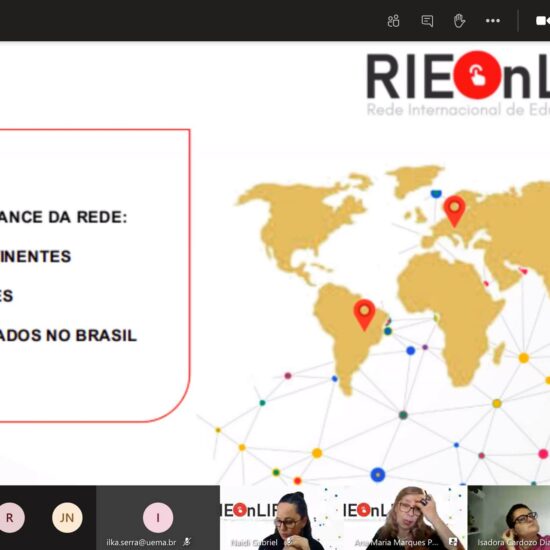
A Rede Internacional de Educação OnLIFE – RIEOnLIFE – é uma rede concebida e organizada pelo GPe-dU UNISINOS/CNPq, em parceria com a Universidade Aberta de Portugal – UAb-PT e vinculada ao projeto de pesquisa TRANSFORMAÇÃO DIGITAL NA EDUCAÇÃO: Ecossistemas de Inovação em contexto híbrido e multimodal, financiado pelo CNPq. Trata-se de uma ação coordenada por mestres, doutores e pós-doutores, egressos do GPe-dU, que hoje atuam em diferentes instituições/regiões do Brasil e no exterior. A RIEOnLIFE surge pela necessidade de ouvir, discutir e refletir com gestores, professores e estudantes, de diferentes níveis e contextos, sobre as compreensões, ações e proposições relacionadas à educação na contemporaneidade, a fim de que possamos juntos potencializar-nos enquanto rede que pensa e constrói uma Educação OnLIFE.
O público alvo foram acadêmicos de graduação e pós-graduação, professores, gestores e pesquisadores.
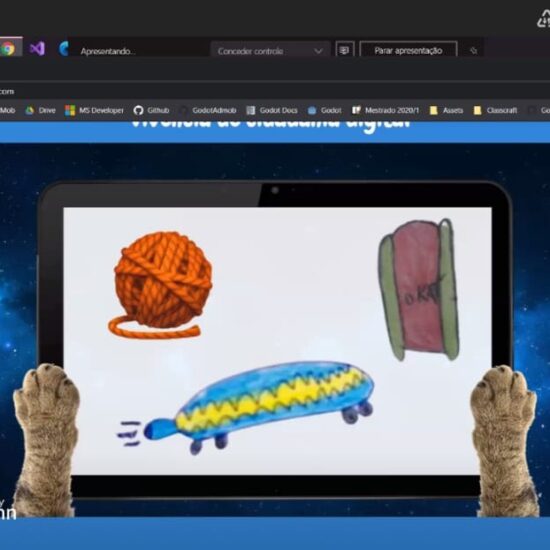
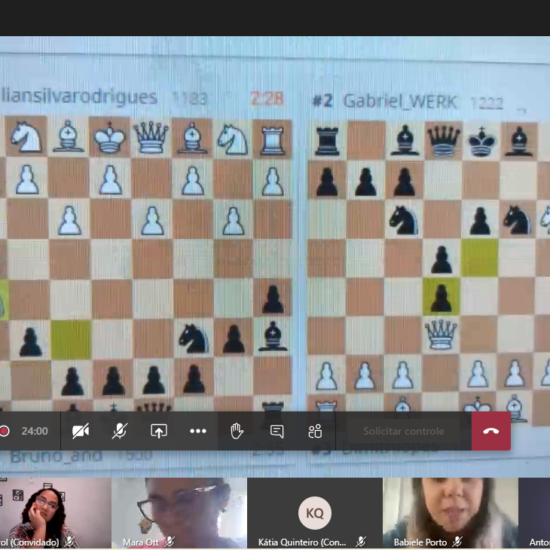
O evento contou com 1.377 participantes, que se fizeram presentes de forma on-line nas diferentes atividades e programadas nos quatro dias de WLC 2020 e de RIEOnLIFE 2020. Foram apresentados 56 trabalhos ao todo, provenientes de pesquisas e experiências desenvolvidas em contextos educativos, contemplando diferentes níveis e contextos educacionais: da educação infantil à pós-graduação stricto sensu, provenientes de diferentes regiões do Brasil e de países como Portugal, Espanha, Cabo Verde e Moçambique. Como sistematização das produções originadas do evento, as quais expressam os movimentos da ecologia atual, publicamos o e-book “O Habitar do Ensinar e do Aprender OnLIFE: Vivências na educação contemporânea”, contendo 11 capítulos, avaliados pela comissão científica do evento.
Acesse o e-book: “O Habitar do Ensinar e do Aprender OnLIFE: Vivências na educação contemporânea”.
How Betzoid Canada Explores Low-Stakes Casino Gaming Trends
The Canadian gambling landscape has undergone significant transformation in recent years, with low-stakes casino gaming emerging as a dominant force in the industry. This shift represents more than just a trend—it reflects changing consumer preferences, technological advancement, and regulatory evolution. Betzoid Canada has positioned itself at the forefront of analyzing these developments, providing comprehensive insights into how modest wagering amounts are reshaping the entire gaming ecosystem. Understanding these patterns offers valuable perspective on the future direction of Canadian online gambling.
The Evolution of Low-Stakes Gaming in Canada
Low-stakes casino gaming has experienced remarkable growth across Canada, driven by demographic shifts and accessibility improvements. Historical data indicates that traditional high-roller focused platforms dominated the market until approximately 2018, when operators began recognizing the substantial revenue potential of volume-based, lower-wager gaming models. This transition coincided with increased internet penetration and smartphone adoption rates, which reached 91% among Canadian adults by 2021.
The regulatory environment has played a crucial role in this evolution. Provincial gaming authorities have gradually adapted their frameworks to accommodate digital platforms while maintaining consumer protection standards. Ontario’s regulated market launch in April 2022 marked a pivotal moment, establishing precedents for minimum deposit requirements and responsible gaming measures that other provinces are now considering.
Betzoid Canada’s research indicates that low-stakes gaming appeals particularly to millennials and Generation Z players, who prefer entertainment value over high-risk gambling experiences. These demographics typically engage with games featuring smaller bet sizes, longer play sessions, and social elements that traditional casino gaming often lacks. The average session duration for low-stakes players extends 40% longer than high-stakes counterparts, suggesting greater engagement and entertainment value.
Market Dynamics and Consumer Behavior Patterns
The low-stakes gaming market exhibits distinct behavioral patterns that differentiate it from traditional gambling segments. Betzoid Canada’s analysis reveals that players in this category demonstrate higher frequency of play, with 73% engaging in gaming activities at least twice weekly compared to 31% of high-stakes players. This consistency creates more predictable revenue streams for operators while reducing the volatility associated with whale-dependent business models.
Geographic distribution data shows interesting regional variations across Canada. Atlantic provinces display the highest per-capita engagement rates for low-stakes gaming, while British Columbia leads in absolute numbers. Quebec presents unique characteristics due to its provincial monopoly structure, with Espacejeux maintaining significant market share despite increased competition from federally regulated platforms.
Payment method preferences have evolved significantly within this segment. Digital wallets and cryptocurrency adoption rates among low-stakes players exceed industry averages by 23%, indicating comfort with modern financial technologies. Platforms offering https://betzoid.com/ca/20-cad-minimum-deposit/ options have seen increased adoption rates, as these entry points align with cautious spending approaches preferred by budget-conscious players.
The social aspect of low-stakes gaming cannot be understated. Community features, leaderboards, and achievement systems drive engagement levels significantly higher than traditional casino offerings. Betzoid Canada’s research demonstrates that platforms incorporating social elements retain players 60% longer than those focusing solely on individual gaming experiences.
Technological Innovation and Platform Development
Technology serves as the primary enabler of low-stakes gaming expansion across Canada. Mobile-first design principles have become standard, with 84% of low-stakes gaming sessions occurring on smartphones or tablets. This mobile dominance has influenced game development priorities, emphasizing quick-loading interfaces, simplified navigation, and battery-efficient operations.
Artificial intelligence integration has revolutionized personalization within low-stakes platforms. Machine learning algorithms analyze player behavior patterns to customize game recommendations, bonus offerings, and communication timing. Betzoid Canada’s technical analysis shows that AI-driven personalization increases player lifetime value by an average of 34% while simultaneously improving responsible gaming outcomes through early intervention capabilities.
Blockchain technology adoption remains limited but growing within the Canadian market. Smart contracts enable transparent bonus systems and provably fair gaming mechanics, addressing trust concerns that historically deterred cautious players from online gambling. Several platforms have implemented blockchain-based loyalty programs, allowing players to earn and trade digital assets across different gaming environments.
Live dealer technology has adapted to serve low-stakes preferences through innovative table management systems. Multi-player tables accommodate various betting levels simultaneously, while dedicated low-stakes rooms create comfortable environments for budget-conscious players. Streaming quality improvements and reduced latency have enhanced the live gaming experience, making it accessible to players with modest internet connections.
Regulatory Framework and Industry Standards
Canada’s regulatory approach to low-stakes gaming reflects a balance between consumer protection and market development. The Criminal Code amendments enabling provincial online gambling regulation have created opportunities for licensed operators while maintaining strict standards for player safety and fair gaming practices.
Responsible gaming measures have evolved specifically to address low-stakes gaming patterns. Traditional problem gambling indicators, designed for high-stakes scenarios, proved inadequate for detecting issues among frequent, low-value players. Betzoid Canada’s regulatory analysis highlights new metrics focusing on time-based limits, frequency patterns, and gradual spending increases rather than absolute dollar amounts.
Anti-money laundering compliance presents unique challenges in low-stakes environments. Financial intelligence units have developed specialized monitoring systems to detect suspicious patterns among high-volume, low-value transactions. These systems employ sophisticated algorithms to identify structuring attempts and other illicit activities while minimizing false positives that could disrupt legitimate gaming experiences.
Provincial coordination efforts have increased significantly as operators seek multi-jurisdictional licenses. The Atlantic Lottery Corporation’s shared services model provides a framework for smaller provinces to participate in regulated online gaming without developing independent regulatory infrastructure. This collaboration has accelerated low-stakes gaming adoption across Atlantic Canada while maintaining consistent consumer protection standards.
The low-stakes casino gaming revolution in Canada represents a fundamental shift toward inclusive, technology-driven entertainment that prioritizes accessibility and responsible engagement. Betzoid Canada’s comprehensive analysis demonstrates that this trend extends beyond simple market segmentation, encompassing technological innovation, regulatory adaptation, and changing social attitudes toward gambling. As provincial frameworks continue evolving and consumer preferences solidify, low-stakes gaming will likely define the next generation of Canadian online casino experiences, emphasizing entertainment value and community engagement over traditional high-risk gambling models.